Flexible Work, New Opportunities: When Career and Learning Go Hand in Hand

Flexible Work, New Opportunities: When Career and Learning Go Hand in Hand
The American workplace is changing. New technologies, digital platforms, and shifting expectations about work-life balance have made flexibility a defining feature of modern careers. For many, it’s not just about choosing where or when to work—it’s about creating space for growth, learning, and personal development. The question is how to make the most of the opportunities that flexible work provides.
Flexibility as a Driver of Growth
Flexible work isn’t limited to remote jobs or part-time schedules. It’s about designing work around life’s different stages and priorities. For some, that means being able to pick up kids from school and finish tasks later in the evening. For others, it’s about taking a midday class or dedicating part of the workweek to professional development.
Companies that view flexibility as an investment in their employees’ well-being and skills often see higher engagement and lower turnover. When people are given the chance to learn and grow, they bring renewed energy and insight to their work—benefiting both themselves and their organizations.
Learning as a Daily Habit
As technology and job roles evolve rapidly, continuous learning has become essential. But learning doesn’t have to mean enrolling in a full-time program. Many professionals find that small, consistent learning activities—like online courses, webinars, or industry podcasts—can fit naturally into their daily routines.
More U.S. employers are now offering access to digital learning platforms, allowing employees to choose what and when they want to learn. This sense of autonomy turns learning into an integrated part of work life rather than an extra task to squeeze in.
Women Leading the Way in Flexible Work
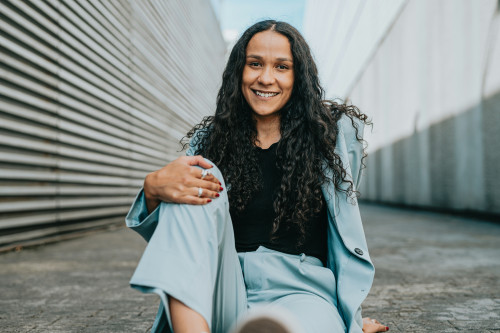
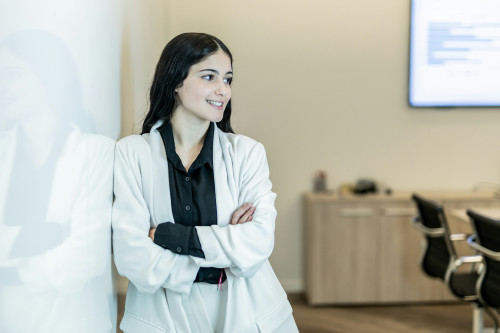
Flexibility has been especially transformative for women, who often balance career ambitions with family responsibilities. The rise of remote work, freelancing, and hybrid schedules has opened new paths for women to shape careers on their own terms.
Research shows that many women are using flexible work arrangements to pivot mid-career—whether by pursuing new certifications, launching businesses, or specializing in emerging fields. Flexibility, in this sense, is not just about balance; it’s about empowerment and reinvention.
The Challenges of Freedom
While flexibility offers freedom, it also demands structure. When the boundaries between work and personal life blur, it can be hard to fully disconnect. Some people find themselves working longer hours simply because their office is always within reach.
That’s why it’s important to set clear boundaries—for work hours, breaks, and learning time. Scheduling focused periods for study or communicating availability with colleagues can help maintain balance. Flexibility works best when it’s intentional and well-managed.
Læs også:
The Future of Work: Blending Career and Learning
The future of the American workforce will reward those who combine expertise with curiosity and adaptability. Flexible work makes it possible to keep learning without stepping away from one’s career.
For both employees and employers, the key is to see learning not as an interruption, but as an investment. When career and learning go hand in hand, work becomes not only more productive but also more meaningful and sustainable in the long run.
Læs også: