A Stress-Free Wedding Day: How to Create a Realistic Timeline


A Stress-Free Wedding Day: How to Create a Realistic Timeline
Your wedding day is one of the most meaningful days of your life—but it can also be one of the most hectic. Between hair appointments, photos, transportation, and the ceremony itself, it’s easy to feel overwhelmed. The secret to a calm, joyful day is a realistic timeline that allows everything to flow naturally. Here’s how to plan your schedule so you can focus on what really matters: celebrating your love.
Start with the Ceremony
The ceremony is the heart of your wedding day, and its start time determines the rhythm for everything else. Begin by locking in when and where you’ll say “I do”—whether it’s a church, a courthouse, or a scenic outdoor venue—and build the rest of your timeline around that.
In the U.S., many ceremonies start between 3:00 and 5:00 p.m., but this can vary depending on the season and your venue. A later ceremony means a later dinner and reception, so consider your guests’ comfort and energy levels. Don’t forget to factor in travel time between locations if your ceremony and reception are in different places.
Læs også:


Give Yourself Plenty of Time in the Morning
One of the biggest mistakes couples make is underestimating how long the morning preparations take. Hair, makeup, getting dressed, and pre-ceremony photos can easily fill several hours. Start earlier than you think you need to—it’s much better to have extra time than to feel rushed.
Build in 30–45 minutes of buffer time between major activities. That cushion will keep you calm if something runs late.
- Bride’s preparation: 3–4 hours (including hair, makeup, and getting dressed)
- Groom’s preparation: 1–2 hours
- “First look” photos: 30–60 minutes, if you choose to do them before the ceremony
Plan for Transportation and Breaks
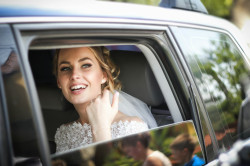
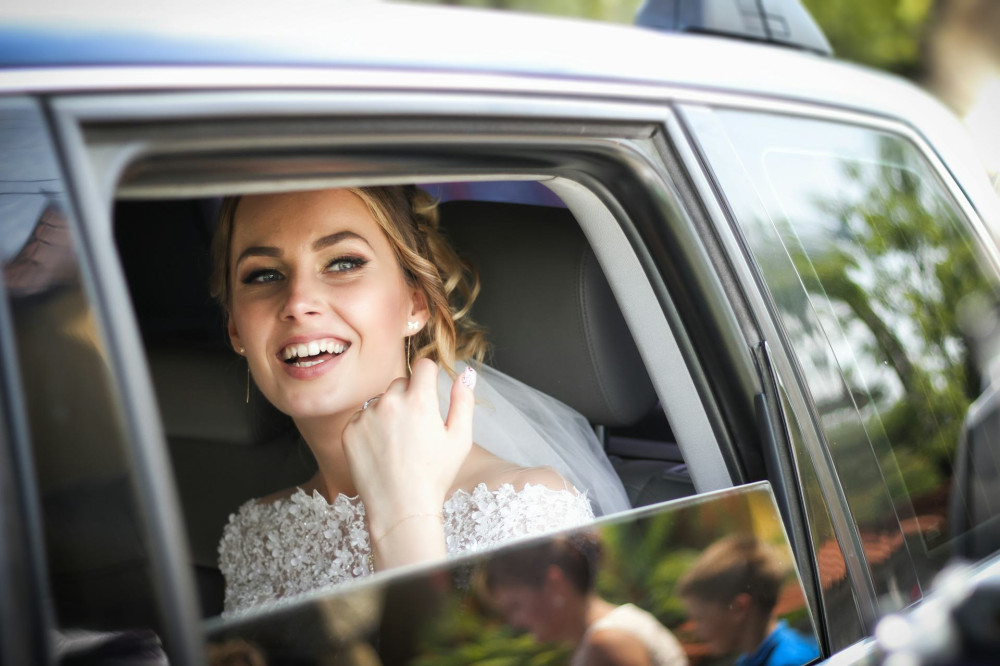
Transportation can be one of the biggest time drains on a wedding day. Know your routes in advance, and account for traffic, parking, and loading time—especially if you’re in a busy city or hosting a summer wedding when travel can be unpredictable. If you’ve booked a limo, vintage car, or shuttle service, confirm exact pickup and drop-off times with your driver.
Don’t forget to schedule short breaks for yourselves. A few quiet minutes after the ceremony to breathe, sip some water, or share a private moment can make a huge difference in how relaxed you feel for the rest of the day.
Reception, Dinner, and Dancing: Find the Right Flow
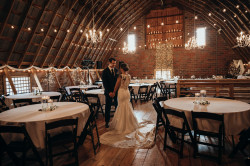
After the ceremony, most couples host a cocktail hour or reception before dinner. This is a great time for guests to mingle, enjoy drinks, and congratulate you. Plan for about 1.5 to 2 hours so you don’t feel rushed through photos or greetings.
Dinner should begin while guests are still energized but not starving. For example, if your ceremony is at 4:00 p.m., a 6:30 p.m. dinner start works well. Coordinate with your caterer and DJ or emcee to ensure speeches, toasts, and courses flow naturally.
A sample evening timeline might look like this:
- 6:30 p.m.: Guests seated for dinner
- 6:45–9:00 p.m.: Dinner, toasts, and special moments
- 9:00 p.m.: Cake cutting and coffee
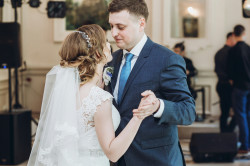
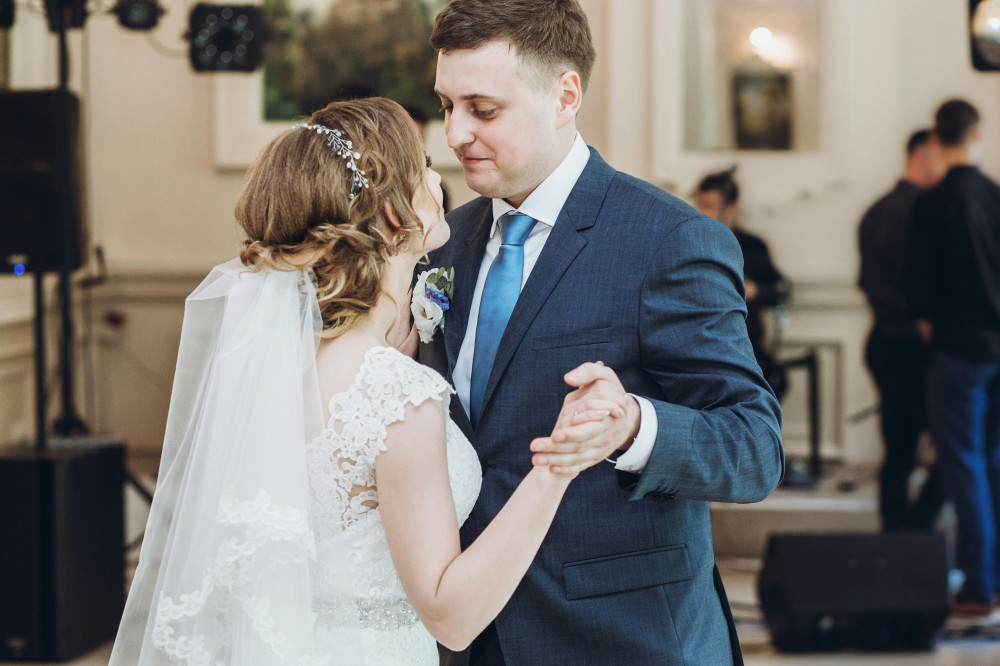
- 9:30 p.m.: First dance
- 10:00 p.m. and beyond: Open dance floor and celebration
Of course, adjust to fit your style—whether that’s a formal sit-down dinner or a relaxed backyard party. The key is to leave breathing room so nothing feels rushed.
Involve Your Coordinator and Key Helpers
If you have a wedding planner or day-of coordinator, share your detailed timeline with them and trust them to keep things on track. If you’re planning without a professional, assign a reliable friend or family member to handle logistics—like checking in with vendors, managing the schedule, or helping guests find their way. That way, you can stay focused on enjoying the moment.
Remember to Take Care of Yourselves
It’s tempting to fill every minute with activities, but the best weddings often have space for spontaneity. Schedule small moments for just the two of you—right after the ceremony, before dinner, or even a quick sunset photo break. These pauses help you soak in the joy of the day.
Also, think about how you want to end the night. Do you want to dance until midnight, or make a grand exit earlier? A realistic timeline isn’t just about logistics—it’s about creating a day that feels true to you as a couple.
A Day That Feels Like Yours
There’s no single “right” wedding timeline—only the one that fits your vision. Whether you’re planning a chic city celebration or a laid-back outdoor gathering, the goal is the same: to enjoy your day without stress. A thoughtful, flexible schedule gives you the freedom to be present, savor every moment, and let your wedding day unfold exactly as it should.
Læs også: