From Youth to Adulthood: Women’s Relationship with Sports Throughout Life

From Youth to Adulthood: Women’s Relationship with Sports Throughout Life
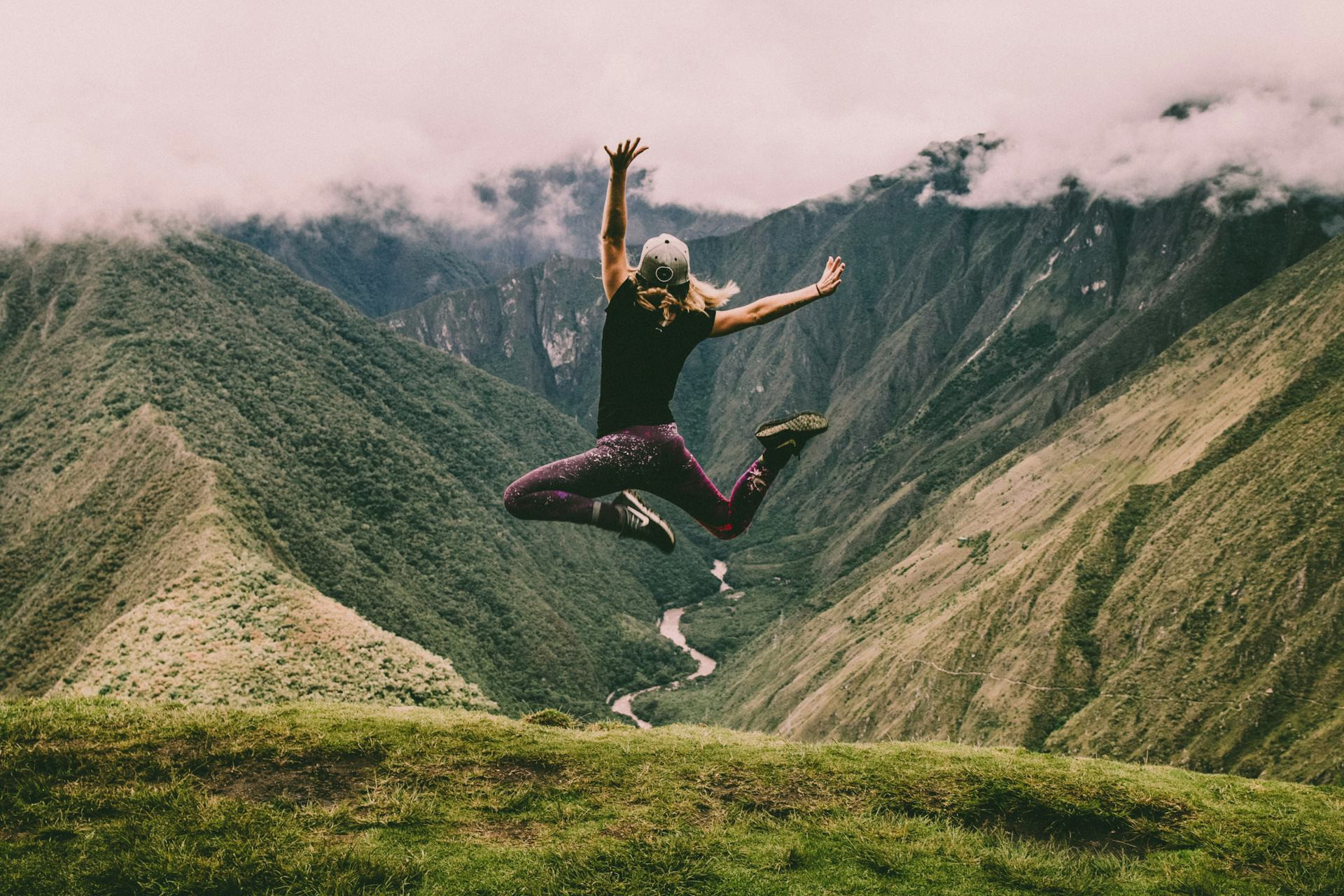
A woman’s relationship with sports often evolves alongside the stages of her life. From the carefree play of childhood and the competitive spirit of adolescence to the balancing act of adulthood and the mindful movement of later years, sports can serve as a thread connecting physical health, identity, and community. Yet, the way women engage with sports—and the reasons they do—change with time, responsibilities, and priorities.
The Early Years – Identity and Belonging
For many girls in the United States, sports begin in school gyms, community leagues, or neighborhood fields. At first, it’s about fun, friendship, and discovering what the body can do. As they move into their teenage years, sports can become a key part of identity—a place to build confidence, find belonging, and learn teamwork.
However, adolescence is also when many girls drop out of organized sports. Studies from organizations like the Women’s Sports Foundation show that girls are more likely than boys to stop participating during their teen years. Pressures related to body image, social expectations, and performance can overshadow the joy of playing. Supportive coaches, inclusive environments, and visible female role models are crucial in helping girls stay active and confident.
Adulthood – Finding Balance Through Movement
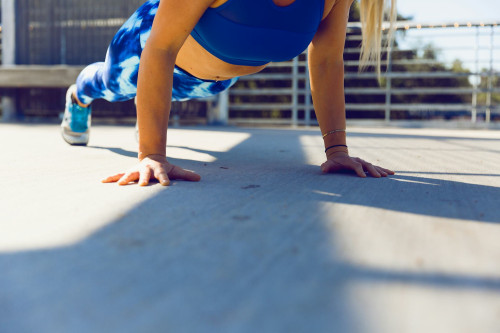
As women enter adulthood, the role of sports often shifts. College, careers, and family life can make it difficult to maintain regular physical activity. Yet, this is also the stage when movement can be most beneficial—for stress relief, mental health, and overall well-being.
For some, exercise becomes a personal sanctuary: a morning run before work, a yoga class after a long day, or a weekend hike with friends. For others, it’s a social outlet that provides connection and community. Many women rediscover sports when their children grow older, joining local running clubs, recreational leagues, or fitness classes that fit into busy schedules.
Læs også:


Midlife – Embracing Change and Strength
In their 40s and 50s, many women experience physical and hormonal changes that can affect energy levels and motivation. During this time, sports and exercise often take on new meaning—not as a pursuit of performance, but as a commitment to health, strength, and self-care.
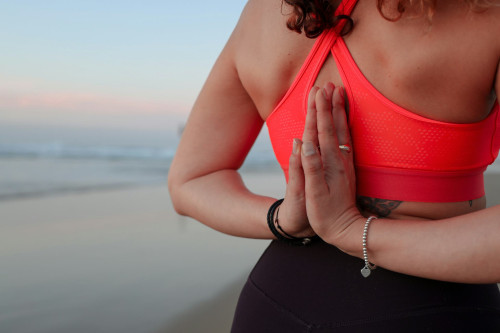
Regular physical activity can help maintain muscle mass, support bone health, and ease symptoms associated with menopause. Activities like swimming, cycling, Pilates, or hiking appeal to many women in this stage because they combine physical challenge with mindfulness and enjoyment. The focus shifts from competition to well-being—feeling strong, capable, and comfortable in one’s own body.
Later Life – Movement as Joy and Connection
In the later years, staying active becomes a cornerstone of health and independence. Many older women find that regular movement—whether through walking groups, dance classes, or senior fitness programs—enhances energy, balance, and social connection.
For this generation, sports are less about achievement and more about vitality and joy. Movement becomes a way to stay engaged with life, to share experiences, and to celebrate what the body can still do. Research consistently shows that women who remain physically active enjoy better health outcomes and higher life satisfaction.
Sports as a Reflection of Life’s Journey
A woman’s relationship with sports mirrors the rhythm of her life: from play and competition to balance and renewal. Each stage brings its own challenges and opportunities, but throughout, movement remains a source of strength—both physical and emotional.
Staying active isn’t about holding on to youth; it’s about adapting, rediscovering, and finding new ways to move that fit who you are now. For many women, sports become a lifelong companion—a quiet but powerful reminder of resilience, connection, and joy at every age.
Læs også: