Heart-Healthy Lifestyle: How Diet, Exercise, and Sleep Go Hand in Hand

Heart-Healthy Lifestyle: How Diet, Exercise, and Sleep Go Hand in Hand
A healthy heart isn’t just about cutting out fried foods or hitting the gym once in a while. True heart health comes from the balance between what you eat, how you move, and how well you rest. When diet, exercise, and sleep work together, they create a rhythm that strengthens both body and mind—and gives you more energy for everyday life. Here’s how to bring these three pillars into harmony.
Diet – Fuel for the Heart
Your heart works around the clock, and it needs high-quality fuel to keep going strong. A heart-healthy diet isn’t about strict rules—it’s about making smart, sustainable choices that support your body.
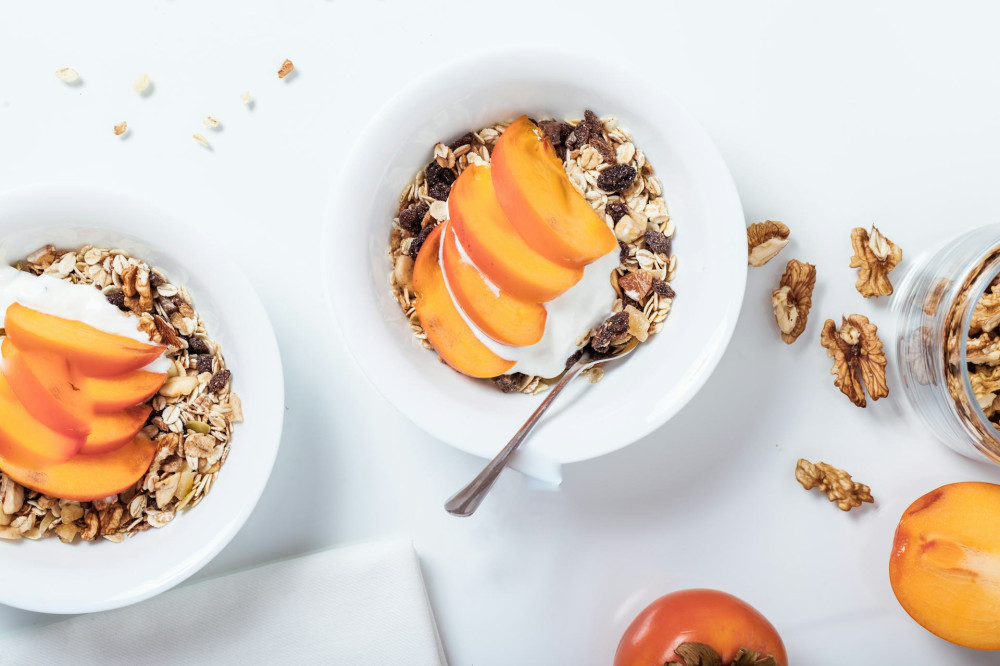
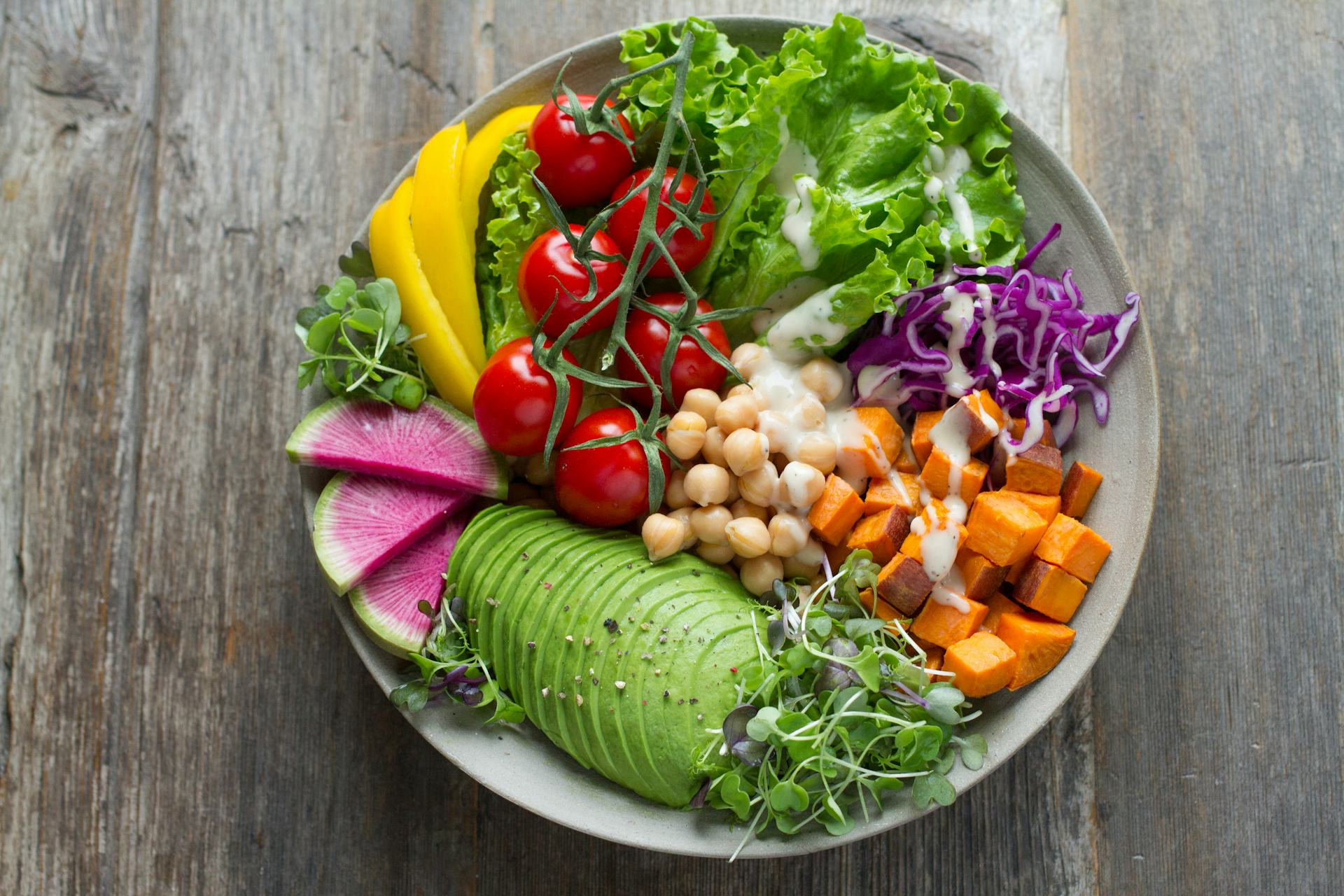
- Eat colorful, plant-based foods. Fruits and vegetables are packed with antioxidants, vitamins, and fiber that help protect blood vessels and lower cholesterol.
- Choose healthy fats. Replace butter and processed oils with olive oil, nuts, seeds, and fatty fish like salmon or trout.
- Watch your sodium and added sugars. Too much salt can raise blood pressure, while excess sugar contributes to inflammation and weight gain.
- Keep meals consistent. Regular eating helps stabilize blood sugar and reduces cravings for unhealthy snacks.
Small, steady changes—like swapping white bread for whole grains or choosing water over soda—can make a big difference for your heart over time.
Exercise – Training for the Heart
Your heart is a muscle, and like any muscle, it gets stronger when you use it. Regular physical activity improves circulation, lowers blood pressure, and helps your body manage stress more effectively.
You don’t need to run marathons to see results. What matters most is consistency and variety:
- Aim for at least 30 minutes a day of moderate activity, such as brisk walking, cycling, or swimming.
- Add strength training twice a week to maintain muscle mass and support healthy blood sugar levels.
- Move throughout the day. Take the stairs, walk during lunch breaks, or stretch between tasks—every bit counts.
The key is to find activities you enjoy. When movement becomes a natural part of your day, it’s easier to stick with it—and your heart will thank you.
Sleep – The Heart’s Reset
Sleep is often the forgotten piece of the wellness puzzle, but it’s essential for heart health. During sleep, blood pressure drops, heart rate slows, and the body repairs itself. Too little or poor-quality sleep can increase the risk of high blood pressure, weight gain, and stress—all of which strain the heart.
To give your body the rest it needs:
- Get 7–8 hours of sleep each night. That’s the sweet spot for most adults.
- Keep a consistent schedule. Go to bed and wake up at the same time every day, even on weekends.
- Limit screens and caffeine in the hours before bedtime to help your body wind down naturally.
- Create a calm sleep environment. A cool, dark, and quiet room supports deeper, more restorative rest.
When you sleep well, it’s easier to eat better and stay active—and the cycle reinforces itself.
The Connection – When Habits Work Together
The real magic happens when these habits support one another. A good night’s sleep gives you energy to exercise, physical activity improves sleep quality, and a nourishing diet fuels both. Together, they create a positive cycle that strengthens your heart and overall well-being.
Start small. Maybe you take a short walk after dinner, cut back on sugary drinks, or go to bed 30 minutes earlier. Over time, these small steps add up to a lifestyle that feels—and is—heart-healthy.
Læs også:



A Strong Heart, a Strong Life
Heart health isn’t just about living longer—it’s about living better. When you nourish your body with wholesome food, regular movement, and quality rest, you gain more energy, a brighter mood, and a body that works with you, not against you. A heart-healthy lifestyle isn’t a temporary goal—it’s a lifelong rhythm that keeps you thriving every day.
Læs også: