Quality in Women’s Clothing: Learn to Tell the Difference Between Details and Craftsmanship

Quality in Women’s Clothing: Learn to Tell the Difference Between Details and Craftsmanship
When you’re shopping for women’s clothing, it can be tricky to tell whether the price tag truly reflects the quality. Two blouses might look nearly identical on the rack, but the real difference often lies in the fabric, the stitching, and the craftsmanship. Learning to recognize quality isn’t just good for your wardrobe—it’s also better for your wallet and the planet. Here’s how to spot what really matters.
Fabric – The Foundation of Quality
A garment is only as good as the material it’s made from. High-quality fabrics usually feel better against the skin, hold their shape longer, and age more gracefully.
- Natural fibers like cotton, wool, silk, and linen tend to breathe better and feel more comfortable than synthetics. They may require more care, but they often last longer.
- Blended fabrics can be a smart choice if they combine the best of both worlds—for example, cotton with a touch of spandex for stretch and fit.
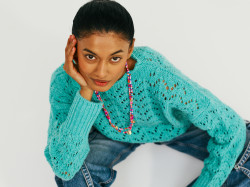
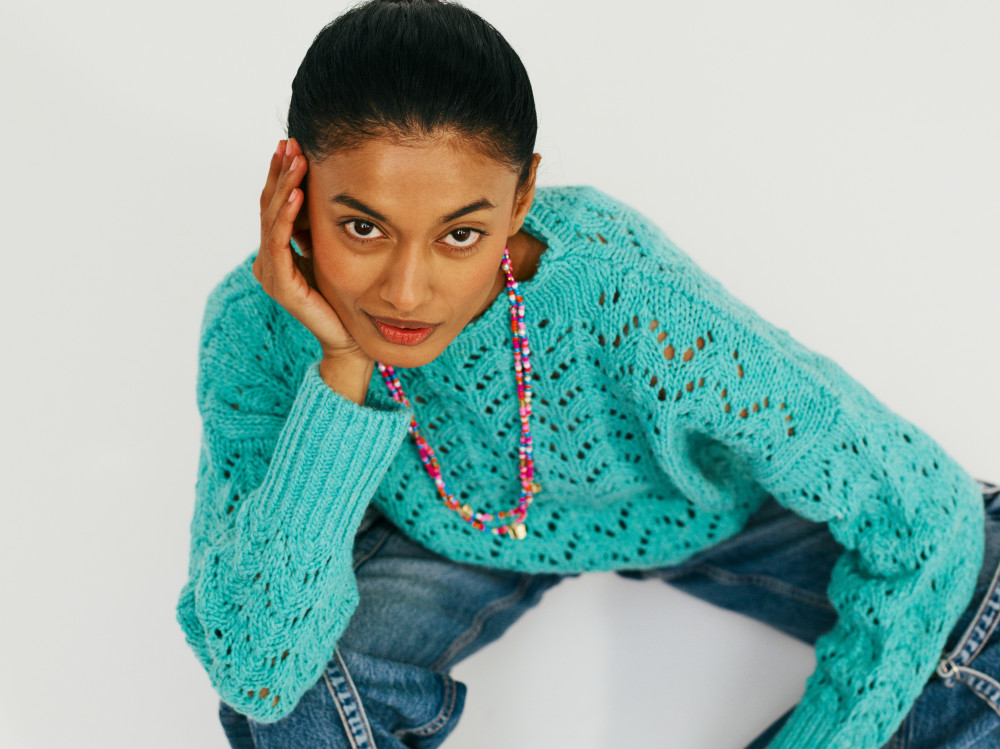
- Check the weave or knit: A tightly woven or knitted fabric will resist pilling and stretching. Gently pull the fabric—if it snaps back into shape, that’s a good sign.
Pay attention to how the fabric drapes. A heavier fabric with a natural flow often signals better quality than something stiff or flimsy.
Læs også:

Stitching and Construction – The Hidden Workmanship
The seams are the skeleton of a garment. They hold everything together, and they reveal a lot about how well a piece is made.
- Even, tight stitches are a hallmark of quality. Loose threads or uneven seams are red flags.
- Finished edges (such as serged or overlocked seams) show that the manufacturer took steps to prevent fraying and extend the garment’s life.
- Pattern matching is another indicator: if stripes, plaids, or prints line up at the seams, it means extra care went into production.
Turn the garment inside out when you try it on. The inside often tells you more about quality than the outside does.
Details That Make the Difference
Buttons, zippers, linings, and topstitching aren’t just decorative—they’re clues to how much attention went into making the piece.
- Buttons and zippers should be securely attached and easy to use. Metal hardware usually lasts longer than plastic.
- Linings in jackets, dresses, and skirts improve comfort and structure. A well-sewn lining moves with the garment and doesn’t bunch or twist.
- Topstitching should be straight and consistent, with no loose threads. Uneven stitching can indicate rushed production.
Small touches—like reinforced seams at pockets, extra buttons, or neatly finished hems—often signal thoughtful design and durability.
Fit and Design
Even the best fabric and finest details can’t save a poorly cut garment. Quality also shows in how a piece fits and moves with your body.
A well-made garment should drape naturally without pulling or bunching. Move around in it—raise your arms, sit down, twist your torso. If it keeps its shape and feels comfortable, that’s a good sign.
Look for thoughtful design elements: darts that shape the body, seams that follow natural lines, and balanced proportions. These are often the differences between mass production and true craftsmanship.
Durability and Sustainability
Quality isn’t just about appearance—it’s about longevity. A garment that lasts for years is a better investment and a more sustainable choice.
Check the care label. If a piece requires delicate handling but doesn’t feel sturdy, it may not hold up well. It’s often wiser to buy fewer, better-made items that you’ll wear repeatedly rather than many that wear out quickly.
Many American brands now share information about their materials and production practices. Supporting companies that prioritize ethical manufacturing and sustainable sourcing helps ensure your purchases align with your values.
Trust Your Senses
When you’re in the store, use both your eyes and your hands. Feel the fabric, inspect the seams, and try the garment on. Quality can be seen and felt—it’s sturdy yet comfortable, and it looks good even after multiple fittings.
Over time, you’ll develop an instinct for spotting the subtle signs that separate a well-made piece from one that won’t last. It takes a bit of practice, but it’s worth it—for your wardrobe, your budget, and the environment.
Læs også: