Combine Watercolor with Ink and Pencil for Greater Contrast and Depth

Combine Watercolor with Ink and Pencil for Greater Contrast and Depth
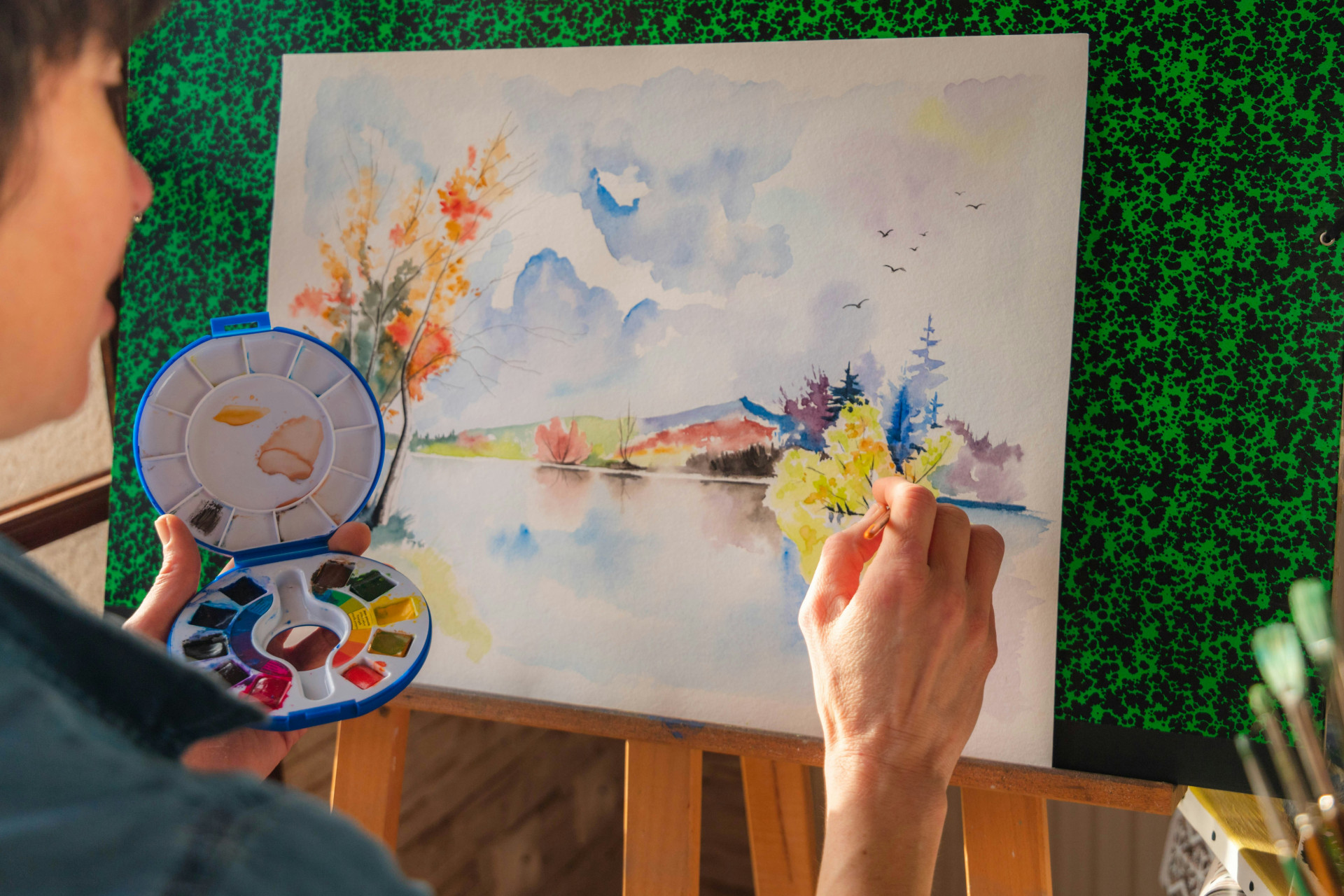
Watercolor is loved for its transparency, softness, and fluid transitions. But because the medium is so delicate, it can sometimes be challenging to create strong contrasts and defined details. By combining watercolor with ink and pencil, you can add structure, depth, and personality to your artwork—balancing the airy with the bold.
In this article, you’ll find inspiration and practical tips for blending these three mediums so they work together in harmony.
Why Combine Techniques?
When you paint with watercolor alone, you rely on the movement of water and the transparency of pigment. This creates beautiful, flowing effects but can make precision difficult. Adding ink and pencil allows you to combine spontaneity with control.
- Ink provides crisp lines, rhythm, and contrast. It can emphasize contours or add graphic elements on top of soft watercolor washes.
- Pencil adds texture and subtle shading. It’s perfect for fine details, shadows, and tactile effects that make your painting feel more dimensional.
Together, these three mediums create a dynamic balance between softness and structure—between the fluid and the defined.
Start with the Watercolor
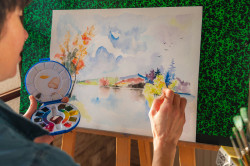
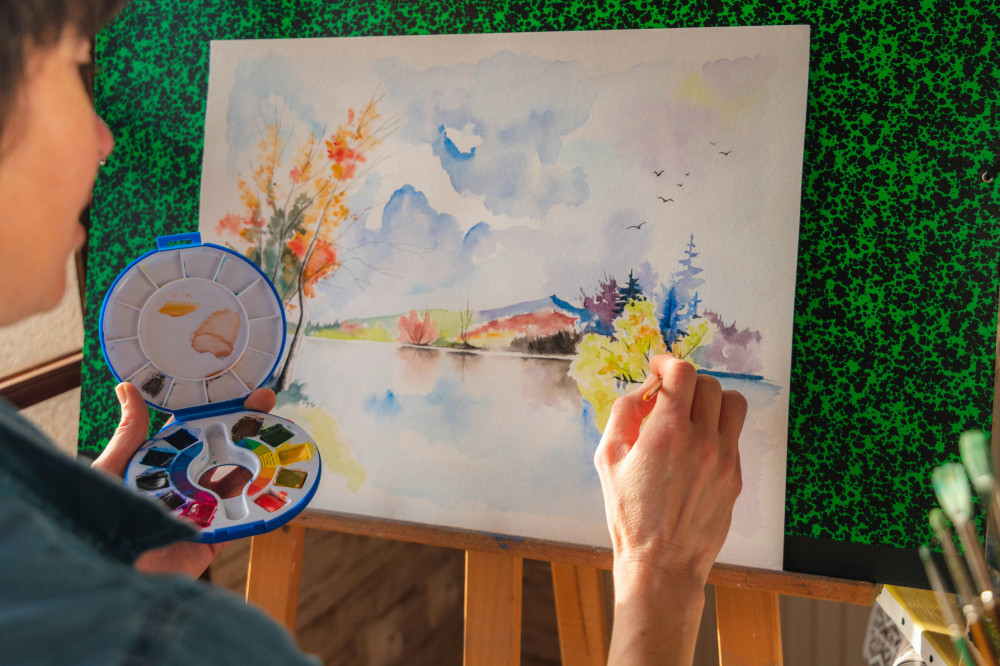
Watercolor sets the foundation for your piece. This is where you establish mood, color, and composition.
Use plenty of water and let the colors flow freely. Think in layers: start with light tones and gradually build toward darker values. Choose high-quality watercolor paper—ideally 140 lb (300 gsm)—so it can handle both the water and the later layers of ink and pencil.
Let the watercolor dry completely before moving on. Working on damp paper can cause ink to bleed or pencil to scratch the surface.
Ink – For Contour and Character
Once your watercolor is dry, it’s time to add ink. The key is to find the right balance between emphasizing and overwhelming.
Use a fine liner or brush pen, depending on the look you want. A thin line gives a delicate, elegant result, while a thicker pen adds drama and boldness.
You can outline selected elements—like flowers, buildings, or figures—or use ink more freely to create patterns and movement. Varying your line weight adds rhythm and keeps the composition lively rather than static.
Pencil – For Shadow and Texture
Pencil is the final layer that ties everything together. It’s ideal for adding shadows, depth, and small details that watercolor and ink alone can’t achieve.
Use a soft pencil (such as 2B or 4B) for shading and a harder one (HB) for fine lines. You can also experiment with colored pencils to introduce subtle tones.
Draw lightly—you can always build up more, but erasing too much can damage the paper. Pencil works especially well in areas where you want contrast against smooth watercolor washes. The matte graphite next to the transparent paint creates a rich surface texture.
Læs også:

Playing with Depth and Dimension
Combining watercolor, ink, and pencil is all about creating interplay between flatness and depth. Watercolor sets the atmosphere, ink defines form, and pencil adds volume.
Leave some areas open and airy while making others more detailed and dark. This variation gives the viewer’s eye something to explore and makes the artwork feel alive.
Step back occasionally to view your piece as a whole. Ask yourself: Where does it need more contrast? Where should it rest? The magic lies in balancing the three mediums.
Experiment and Find Your Style
There are no strict rules for mixing watercolor, ink, and pencil. Some artists draw first and paint afterward, while others paint first and then add line work on top.
Experiment freely. Make small test pieces to explore different sequences, colors, and tools. You’ll quickly discover how the materials interact—and how you can use that to express your own artistic voice.
Most importantly, keep a sense of play. The combination of these three mediums opens endless possibilities—from soft and poetic to bold and expressive.
Læs også: