Unleash Your Creativity with Simple Exercises to Overcome Blocks

Unleash Your Creativity with Simple Exercises to Overcome Blocks
Anyone who works creatively—whether with words, images, music, or crafts—knows the feeling of being stuck. The ideas stop flowing, inspiration disappears, and everything feels heavy. Creative block is a natural part of any artistic process, but the good news is that there are simple exercises that can help you loosen up and find your flow again. Here’s how to reignite your creativity and get back into the groove.
Understand Your Block
Before you can break through a block, it’s important to understand why it happens. It’s rarely about a lack of talent. More often, it’s about pressure, perfectionism, or fatigue. When you set the bar too high, you can paralyze your desire to create.
Try to see the block as a signal, not a failure. Maybe you need a break, new input, or just a shift in perspective. Accepting that creativity moves in waves can be freeing in itself.
Exercise 1: Write or Draw Without a Goal
One of the most effective ways to loosen up is to create without purpose. Set a timer for ten minutes and write or draw without stopping. Don’t worry about the result—just let your thoughts flow freely.
If you’re writing, let your hand move faster than your inner critic. If you’re drawing, forget about proportions or technique. This exercise helps you let go of control and rediscover the joy of the process itself.
Exercise 2: Change Your Environment
Creativity rarely thrives in the same setting day after day. A simple change of scenery can work wonders. Take your notebook to a local park, sit in a coffee shop, or rearrange your workspace to get new light and perspective.
When you change your surroundings, your senses are stimulated in new ways, and your brain starts making fresh connections. Even small changes—like adding plants, new artwork, or a different playlist—can bring new energy.
Exercise 3: Move Your Body
Creativity isn’t just a mental activity. Your body plays a big role in how you think and feel. A short walk, a few stretches, or even dancing around your living room can release tension and make space for new ideas.
Movement increases blood flow to the brain, helping you think more freely. Many people find that their best ideas come not when they’re sitting at a desk, but when they’re in motion.
Exercise 4: Play with Limitations
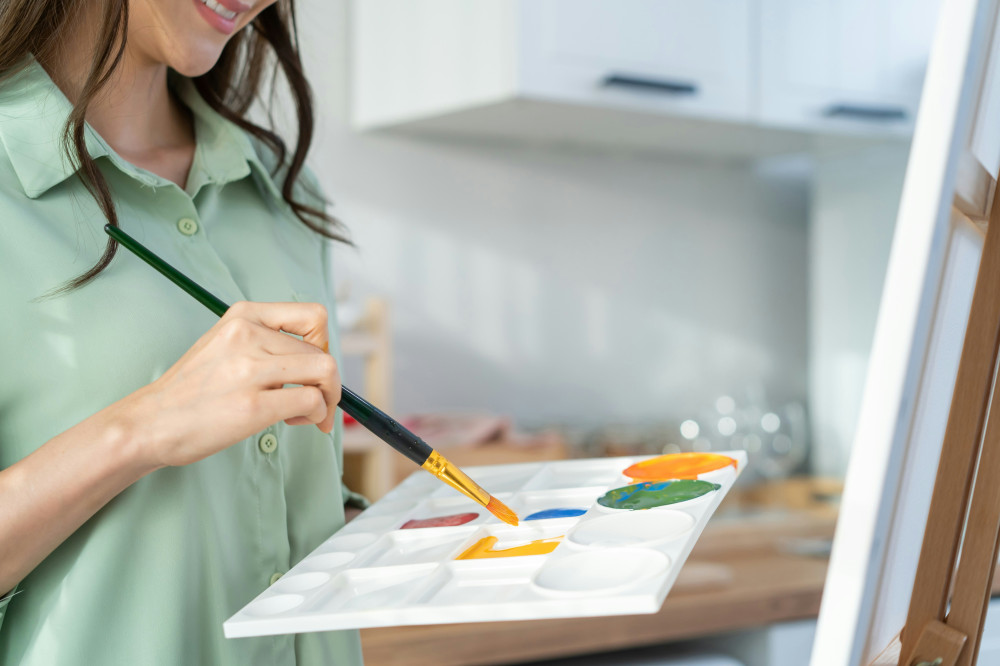
It may sound counterintuitive, but limitations can actually boost creativity. When everything is possible, it can be hard to choose. Instead, give yourself a framework: write a story in exactly 100 words, paint using only two colors, or create something inspired by a random word.
Constraints force you to think differently and find inventive solutions. Often, that’s where the most original ideas emerge.
Exercise 5: Allow Yourself to Make Something Bad
Perfectionism is one of creativity’s biggest enemies. If you only create when you feel inspired or confident about the outcome, the process can quickly become heavy. Give yourself permission to make something that no one else will see—something just for you.
When you remove the pressure for it to be “good,” you open the door to experimentation and play—and that’s exactly where creativity thrives.
Exercise 6: Feed Your Inspiration
Sometimes a block is a sign that you’ve been giving more than you’ve been receiving. Creativity needs fuel. Read a book, visit a gallery, listen to music, or talk with people who inspire you. New experiences can reignite your spark.
It’s not about copying others, but about letting yourself be influenced and reminded of why you love to create in the first place.
Læs også:
Make It a Habit
Creativity is like a muscle—the more you use it, the stronger it gets. By incorporating small exercises into your daily routine, you can prevent blocks before they grow. It doesn’t take hours, just a few minutes where you allow yourself to play, experiment, and stay curious.
When you focus on the process rather than the result, you’ll find that creativity returns—often when you least expect it.
Læs også: