Knitting Techniques Explained: Create Texture and Patterns with the Right Stitches
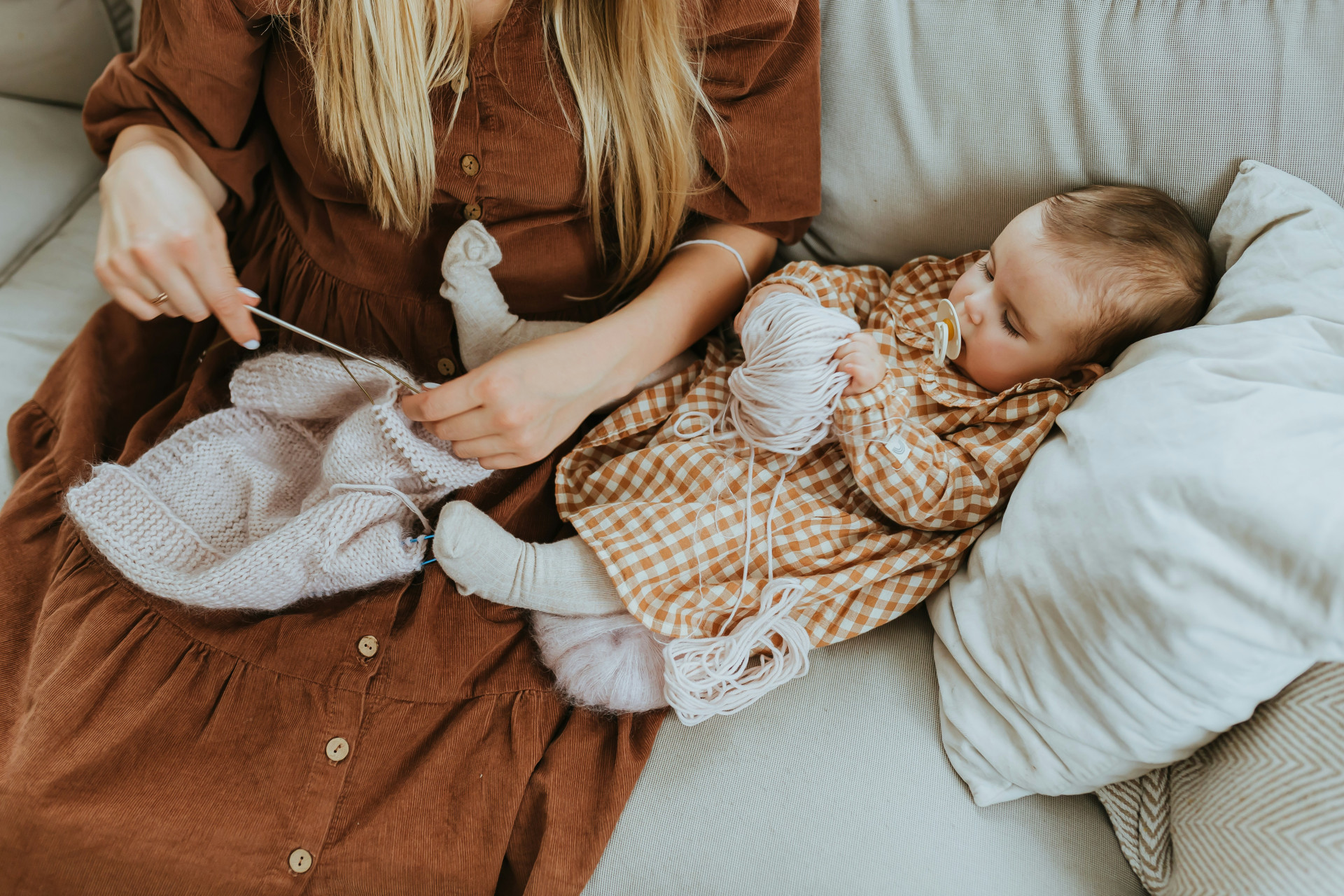
Knitting Techniques Explained: Create Texture and Patterns with the Right Stitches
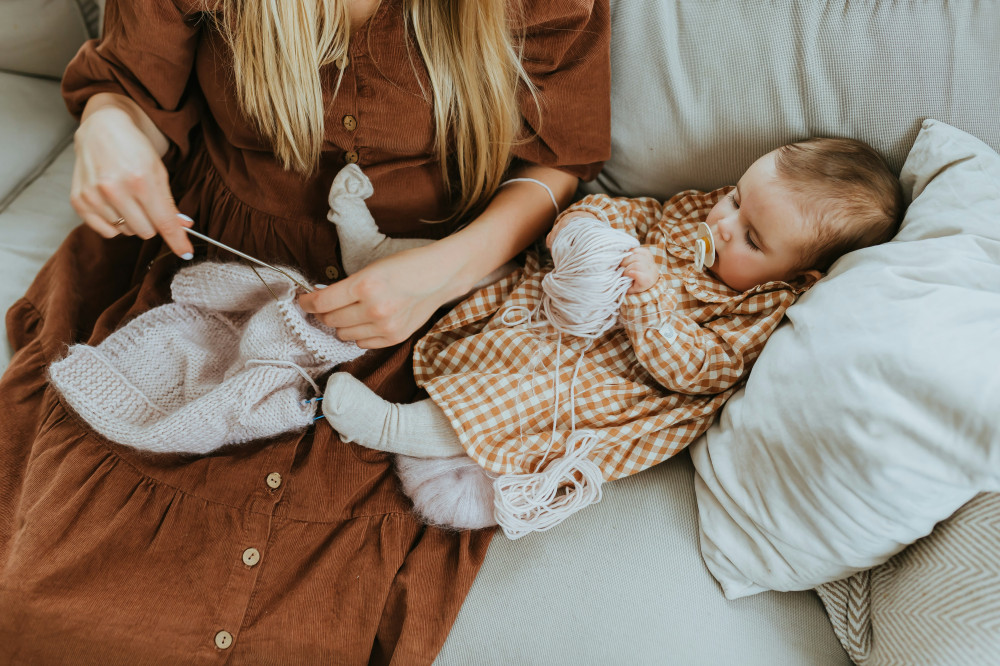
Knitting is much more than making cozy sweaters and soft scarves. It’s a craft where skill meets creativity—and where the stitches you choose can transform a simple strand of yarn into a textured work of art. Whether you’re a beginner or an experienced knitter, understanding the basic techniques will help you create texture, patterns, and a personal touch in every project.
The Two Basic Stitches – Knit and Purl
All knitting techniques are built on two fundamental stitches: the knit stitch and the purl stitch. The combination of these two forms the foundation for everything from smooth stockinette to intricate patterns.
- Garter stitch (knitting every row) creates a stretchy, slightly bumpy fabric that lies flat and doesn’t curl. It’s perfect for dishcloths, baby blankets, and scarves.
- Stockinette stitch (alternating one knit row and one purl row) produces a smooth, even surface on the front and a textured back. It tends to curl at the edges, so it’s often paired with ribbing or borders to keep it flat.
Once you’ve mastered these two stitches, you hold the key to endless variations.
Building Texture with Simple Patterns
By changing the order of knit and purl stitches, you can create texture and depth in your fabric. Here are a few classic patterns that are easy to learn:
- Ribbing – alternating knit and purl stitches in the same row (for example, k2, p2). This creates a stretchy, flexible fabric ideal for cuffs, hems, and hat brims.
- Seed stitch – alternating knit and purl stitches, but offsetting them on the next row. The result is a dense, pebbly texture that’s both decorative and sturdy.
- Garter stitch – knitting every row. Simple yet timeless, it gives a rustic, cozy look.
These patterns don’t require advanced skills but can make your knitting look polished and professional.
Patterns with Movement – Cables and Lace
When you’re ready to take your knitting to the next level, cables and lace open up a world of creative possibilities.
- Cables are made by crossing stitches over one another using a cable needle. This creates a three-dimensional effect, often seen in classic Aran or fisherman sweaters.
- Lace patterns are formed by combining yarn overs and decreases. The result is a light, airy fabric that’s perfect for shawls, tops, and summer knits.
Both techniques require a bit of focus, but the results look far more complex than they actually are.
Color and Texture – When Technique Meets Design
Texture isn’t just about stitches—it’s also about color and yarn choice. A thick wool yarn highlights cables and ribbing beautifully, while a fine cotton yarn gives a more subtle, delicate look. You can also play with color to add visual interest:
- Fair Isle knitting uses two colors per row to create geometric designs.
- Intarsia allows you to knit large blocks of color without carrying yarn across the back.
- Variegated yarns add natural variation and depth, even in the simplest stitch patterns.
By combining technique and color, you can design pieces that reflect your personal style.
Læs også:
Choosing the Right Technique for Your Project
When planning a new project, think about the texture and structure you want:
- Want something soft and stretchy? Go for ribbing or garter stitch.
- Prefer something light and airy? Try lace patterns.
- Need something warm and dense? Choose cables or seed stitch.
Always make a swatch before starting your project. It helps you check your gauge and see how the texture and pattern will look in your chosen yarn—ensuring your finished piece fits and feels just right.
Knitting as a Creative Escape
Knitting isn’t just a practical skill—it’s also a form of mindfulness. Many knitters find the rhythm of the stitches soothing, a way to unwind and focus. There’s a special satisfaction in creating something with your hands—something both beautiful and useful.
Whether you knit to relax or to challenge yourself with new techniques, there’s always something new to learn. With the right stitches, you can bring texture, rhythm, and personality to every project you make.
Læs også: