Flexible Homes: The Housing Trend That Adapts to Your Life

Flexible Homes: The Housing Trend That Adapts to Your Life
A home is no longer just a place to live – it’s becoming an active part of our lifestyle. As daily routines shift and the boundaries between work, leisure, and family life blur, the need for adaptable living spaces is growing. Flexible homes are a rising trend that focuses on creating spaces that can change function, mood, and purpose as life evolves.
A Home That Grows With You
Our needs can change dramatically in just a few years: a home office becomes essential, kids move out, or we decide to downsize and simplify. Instead of moving every time life changes, flexible design solutions make it possible to adapt the home itself.
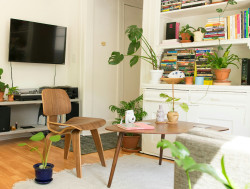
That might mean movable walls, multifunctional furniture, or rooms that serve more than one purpose. A dining table can double as a workspace during the day, and a sofa bed can turn the living room into a guest room in minutes.
The idea is simple: your home should grow, shrink, and transform – just like your life does.
Multifunctional Spaces and Smart Furniture
One of the strongest trends in flexible living is the rise of multifunctional spaces. Instead of assigning one room to each activity, homes are being designed with zones that can shift character throughout the day.
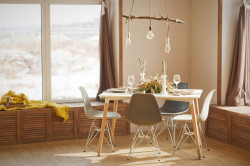
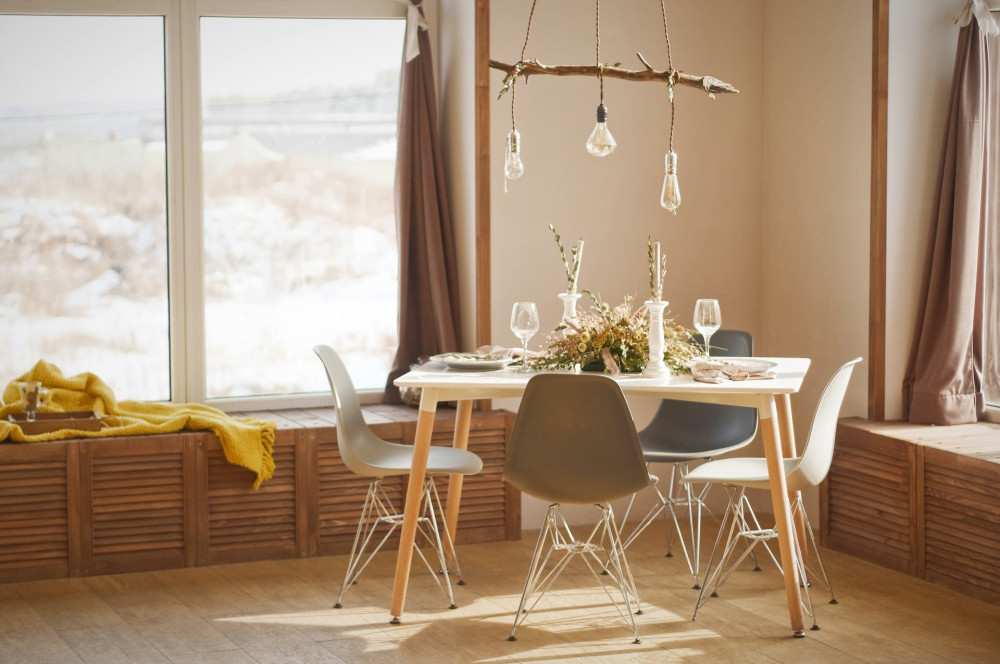
- Kitchen-dining area with workspace: A counter-height table with good lighting can serve as both a dining spot and a home office.
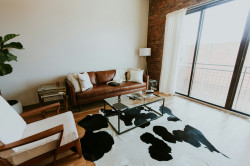
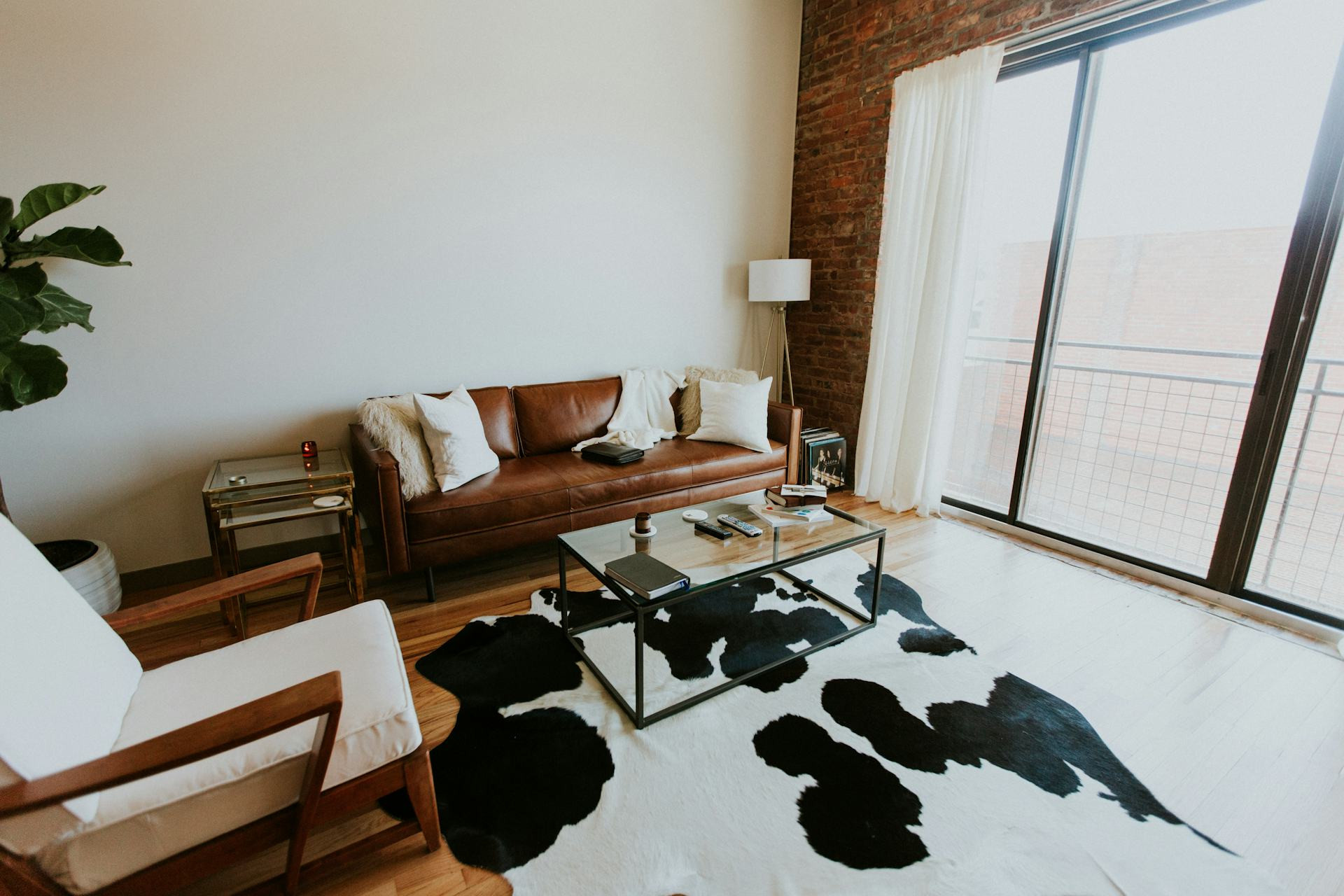
- Living room with hidden storage: Built-in cabinets and benches with storage make it easy to tidy up and create calm.
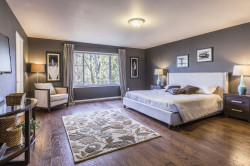
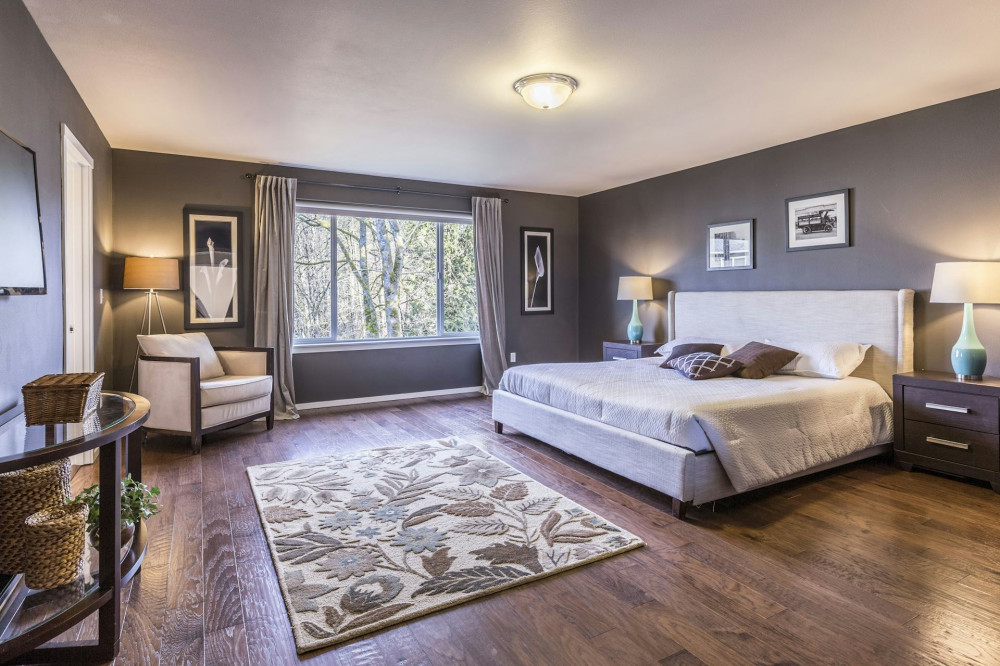
- Bedroom with extra purpose: A fold-down bed or sliding partition can turn the room into both a sleeping and hobby space.
Furniture plays a key role. Designers are increasingly embracing flexibility as a core principle – from modular sofas that can be rearranged to expandable tables that grow when guests arrive.
Technology That Supports Flexibility
Smart home technology makes it easier than ever to adapt your living space. With a tap on your phone, you can adjust lighting, temperature, or window shades.
But technology isn’t just about comfort – it also enhances flexibility. Intelligent lighting systems, for example, can create different moods in the same room: bright and focused for work, soft and warm for relaxation.
Wireless devices and portable smart hubs also make it possible to move furniture and functions around without worrying about fixed installations.
Flexibility Meets Sustainability
Flexible homes aren’t just practical – they’re sustainable. When a home can adapt, there’s less need for remodeling or moving, which saves both resources and energy.
Many homeowners are also choosing furniture and materials that can be reused or reconfigured. A modular shelving system, for instance, can be expanded when the family grows or downsized when moving to a smaller space.
In this way, flexibility becomes part of a more responsible approach to living – investing in solutions that last and evolve over time.
Læs også:
How to Create a Flexible Home
You don’t need a major renovation to make your home more adaptable. Small changes can make a big difference:
- Think in zones, not rooms. Divide your home by function rather than walls – for example, a work corner in the living room.
- Choose multipurpose furniture. A storage bench, an extendable table, or a rolling shelf adds freedom and function.
- Use lightweight and mobile elements. Room dividers, furniture on wheels, and portable lamps make it easy to rearrange.
- Keep colors and style simple. A neutral base allows you to change the look with textiles and accessories.
The goal is to create a home that feels comfortable and personal – no matter how your life changes.
The Future of Living Is Adaptable
Flexible homes are more than a passing trend – they represent a new way of thinking about how we live. Instead of adjusting our lives to fit our homes, our homes should adjust to fit us.
As remote work, travel, and new lifestyles become more common, our living spaces need to keep up. It’s not about having more space, but about using the space we have in smarter, more creative ways.
The home of the future isn’t static – it’s dynamic, evolving, and shaped by the people who live in it.
Læs også: