Small Spaces, Big Impact: How to Create Room and Clarity

Small Spaces, Big Impact: How to Create Room and Clarity
Living small doesn’t have to mean living cramped. Whether you’re in a studio apartment, a compact townhouse, or simply trying to make the most of a tight corner, thoughtful design can make your home feel open, calm, and functional. It’s not just about fitting everything in—it’s about creating a space that feels good to be in. Here’s how to make every square foot count.
Think in Zones, Not Rooms
When space is limited, it helps to think in terms of functions rather than walls. A single room can serve as a living area, workspace, and sleeping zone if you define each area visually.
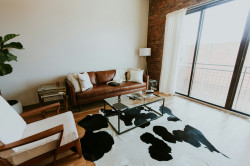
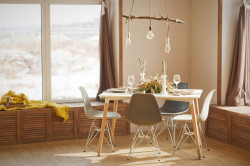
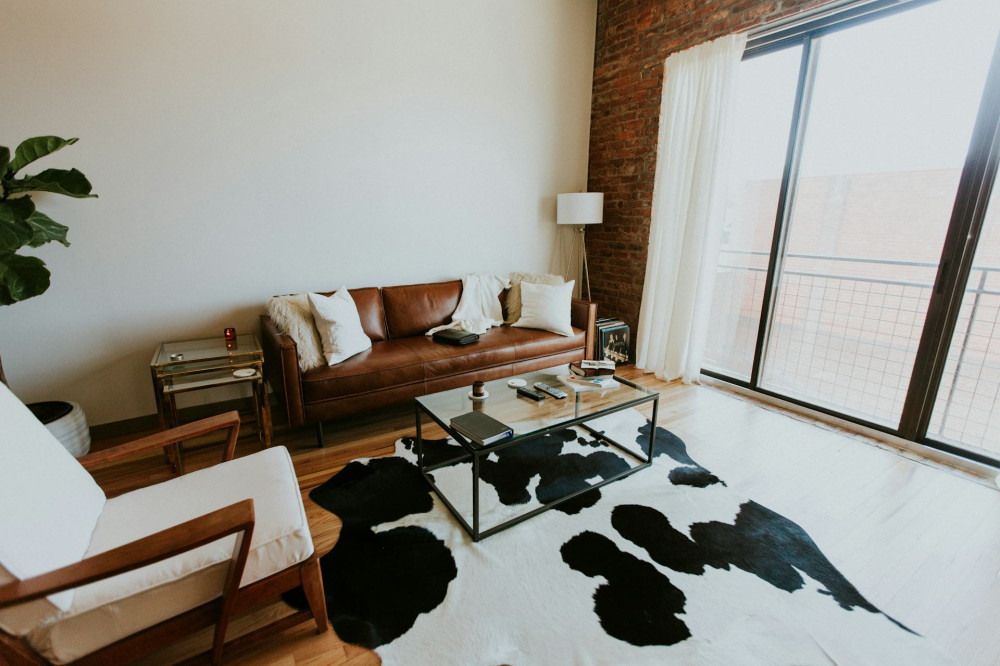
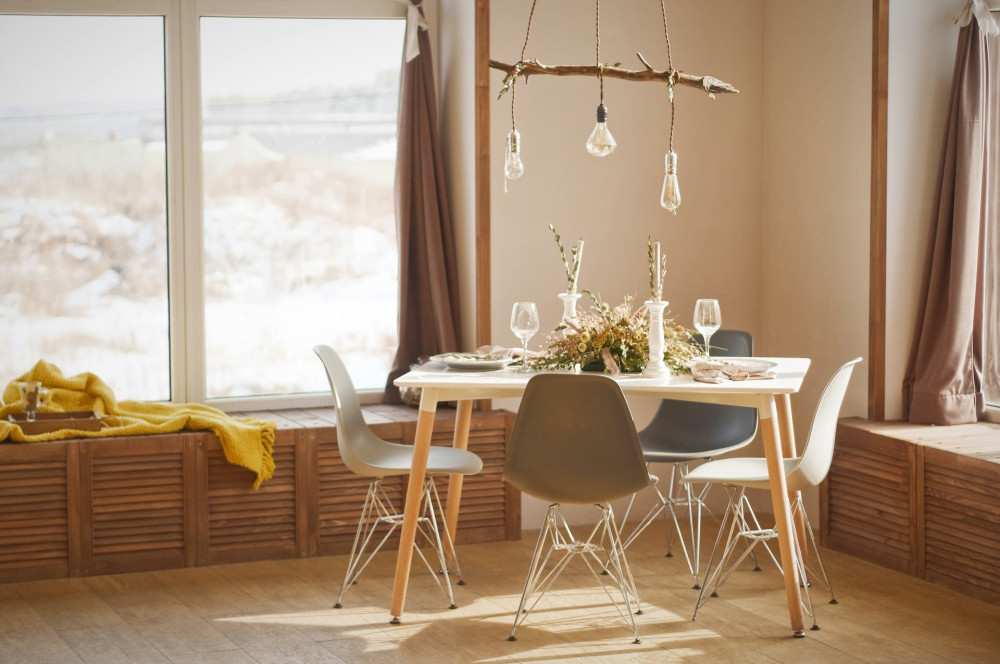
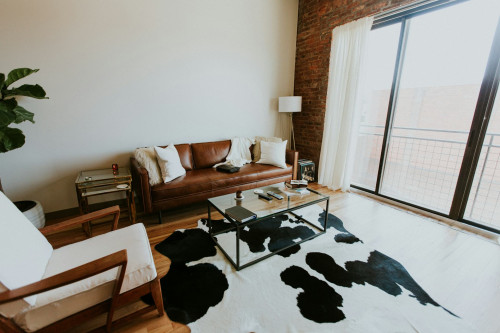
- Use rugs and lighting to separate zones. A rug under the sofa can mark the living area, while a pendant light over a small dining table creates a natural boundary.
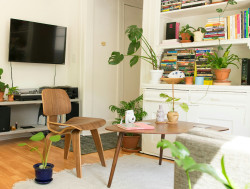
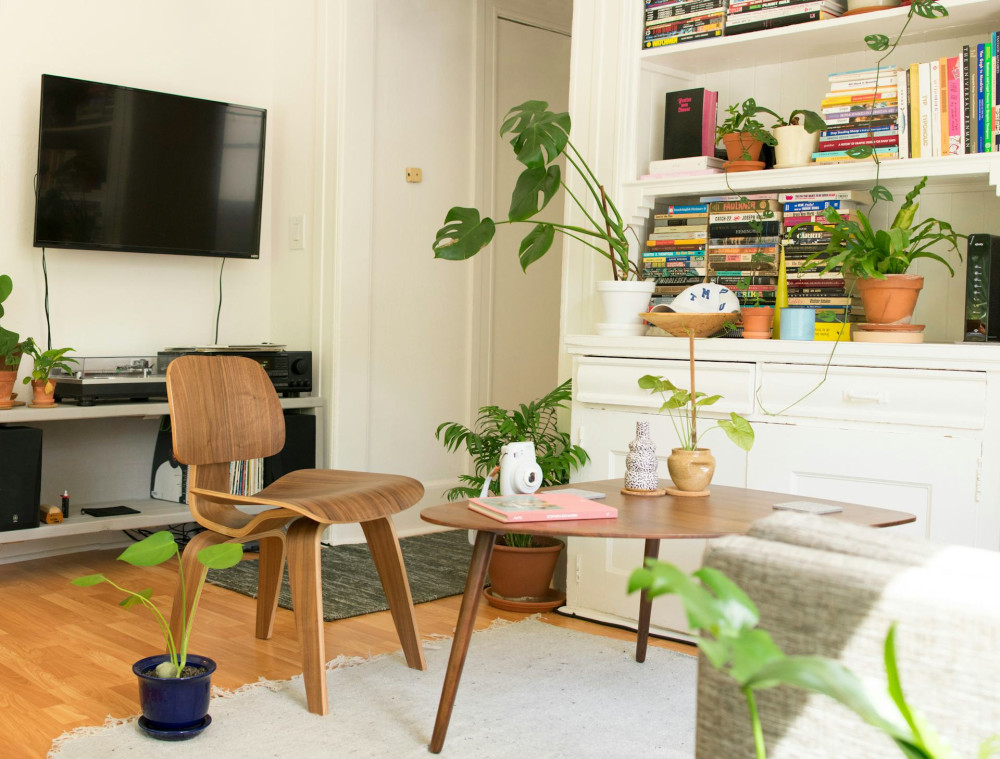
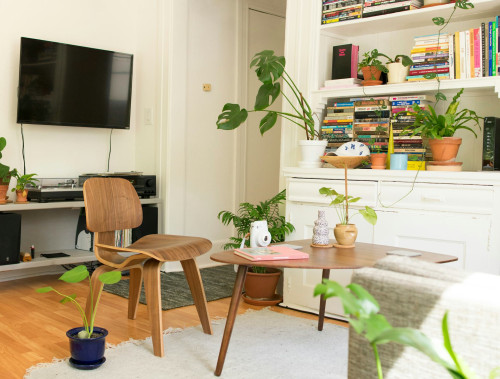
- Open shelving as dividers adds storage and structure without blocking light.
- Foldable or multifunctional furniture—like a sleeper sofa or a drop-leaf table—lets you shift between activities throughout the day.
By designing flexibly, one room can serve many purposes without feeling cluttered.
Light and Color Make the Difference
Light is the secret ingredient that makes small spaces feel larger. Dark corners and heavy colors can make a room feel closed in, while brightness opens it up.
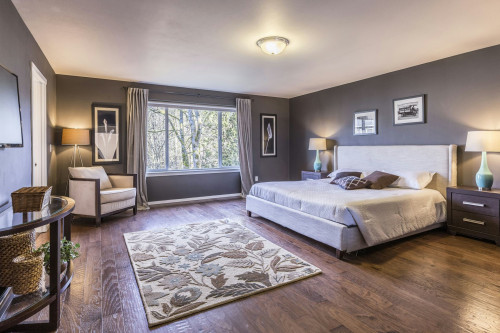
- Choose light, warm tones for walls and ceilings to reflect light and keep the space cozy.
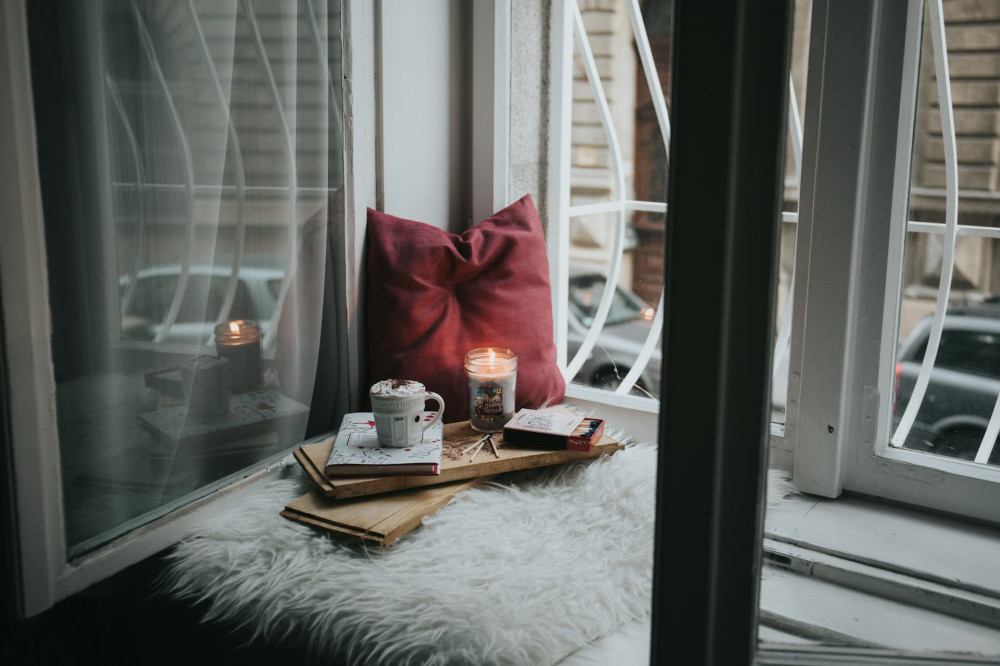
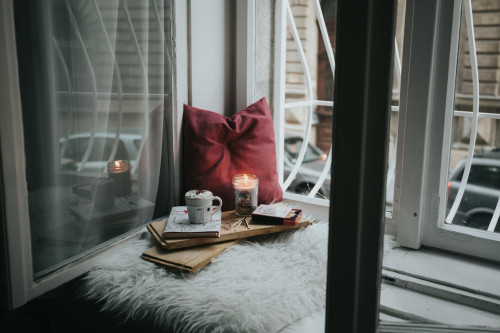
- Maximize natural light by keeping windowsills clear and using sheer curtains.
- Add mirrors to bounce light around and visually double the space.
- Layer your lighting with lamps at different heights to create depth and warmth.
A well-lit room always feels more spacious—no renovation required.
Declutter and Keep It Simple
In small spaces, clutter is the enemy. Even a few misplaced items can make a room feel chaotic. Start by taking stock of what you actually use and love.
- Sort by category: keep, donate, or toss. Be honest—have you used it in the past year?
- Give everything a home, so tidying up becomes effortless.
- Use closed storage like drawers, baskets, and cabinets to keep surfaces clean and calm.
Fewer things mean less stress—and more mental clarity.
Go Vertical
When floor space is scarce, look up. Vertical storage can transform how you use your home.
- Mount shelves and cabinets to free up floor space.
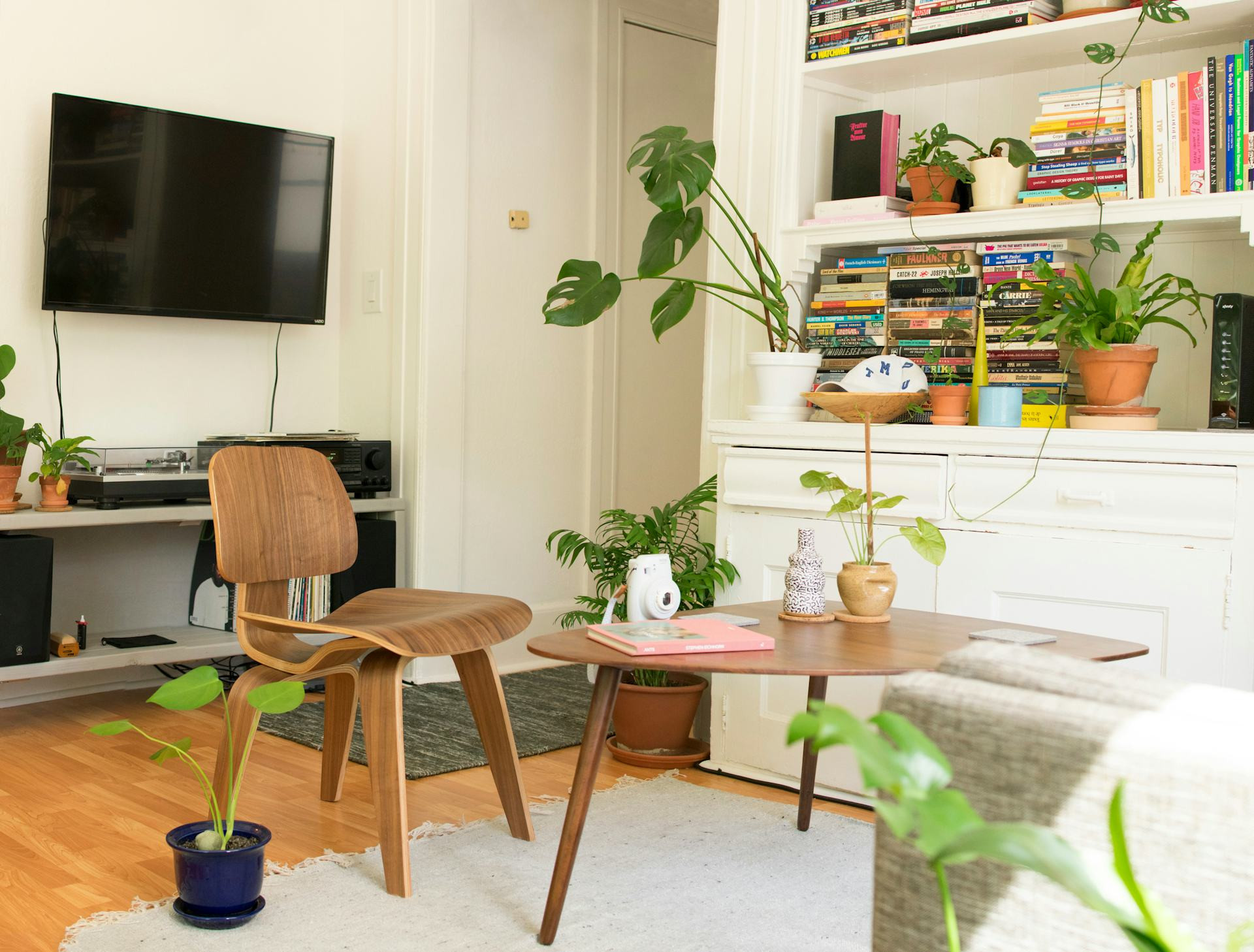
- Use hooks and wall racks for everything from kitchen tools to plants.
- Consider lofted beds or raised platforms if your ceiling height allows—it’s a great way to reclaim valuable square footage.
Thinking vertically adds both storage and visual lightness.
Læs også:
Create Calm Through Repetition and Materials
Too many colors, patterns, or textures can make a small space feel busy. Repetition brings harmony and makes the room feel cohesive.
- Stick to a few consistent materials—like wood and metal—and repeat them throughout.
- Choose a simple color palette with subtle variations in tone.
- Limit decorative items to a few meaningful pieces rather than many small ones.
When the eye can rest, the space feels larger and more peaceful.
Make Room for What Matters
Living small isn’t just about saving space—it’s about living intentionally. When you surround yourself only with what you truly value, your home becomes both personal and purposeful.
Ask yourself: What do I want my home to do for me? Should it be a place for rest, creativity, or connection? Once you know the answer, it’s easier to design around it—and to create a space that feels open, balanced, and unmistakably yours.
Læs også: